
Choosing the right size for your home battery is one of the most important decisions when investing in energy storage. A battery that’s too small may run out of stored energy before you need it most, while one that’s too large could mean paying for capacity you rarely use. Finding the right size depends on your electricity consumption, whether you have solar panels, and what you want your battery to achieve. This article will help you estimate the ideal battery size for your home with practical examples to guide your choice.
What Influences the Size of a Home Battery?
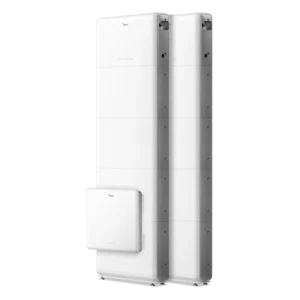 Several factors determine how large your home battery should be. One of the biggest is your overall electricity use. Larger households, homes with electric heating or cooling, or those charging electric vehicles (EVs) typically need bigger batteries to cover their energy needs outside of daylight hours.
Whether or not you have solar panels also plays a big role. Batteries let you store excess solar power generated during the day for use in the evening or overnight, increasing your self-consumption and reducing electricity you need to buy from the grid. If your solar system often produces more electricity than you use during the day, you’ll want a battery sized to capture that surplus energy.
Your energy goals matter as well. Some homeowners prioritize reducing electricity bills by shifting energy use to stored solar power. Others seek greater energy independence or backup power during outages. Your battery size should align with how much of your daily energy use you want to cover and how important those goals are to you.
Finally, understanding your energy usage patterns is key. If most of your electricity consumption happens in the evening, when solar panels aren’t producing, a battery becomes especially valuable.
How to Estimate the Right Battery Size (in kWh)
The average US household uses roughly 10,000 to 11,000 kWh annually, which breaks down to about 27 to 30 kWh per day. However, this varies widely depending on location, home size, and lifestyle.
A general rule of thumb is that your battery should cover the energy you use when the sun isn’t shining—usually during the evening and overnight. This often amounts to about 40% to 60% of your daily electricity consumption. For homes with solar panels, this is typically the portion of solar energy not used immediately and best stored for later use.
Here’s a rough guide based on typical annual electricity usage:
-
Less than 5,000 kWh/year → Battery size around 5 kWh
-
5,000 to 10,000 kWh/year → Battery size between 5 and 10 kWh
-
10,000 to 15,000 kWh/year → Battery size between 10 and 15 kWh
-
Over 15,000 kWh/year → Battery size of 15 kWh or more, potentially with multiple units
To estimate your ideal battery size, check your electric bill or smart meter for your annual usage. Then decide how much of that you want to offset with stored energy. For example, if you use about 30 kWh per day and want to cover half of it, a 15 kWh battery could be a good fit.
Common Battery Sizes and What They Mean in Practice
Smaller batteries, around 5 kWh, typically suit smaller homes or households with low energy use. They can cover essential evening loads such as lighting, internet, refrigeration, and small appliances, offering some bill savings and energy resilience.
A 5 to 10 kWh battery is a good fit for average American homes, especially those with solar panels. It allows you to store enough energy to cover evening and overnight needs without drawing as much from the grid, which can lower your electricity bills noticeably.
Batteries sized 10 to 15 kWh or more are better suited for larger households, homes with electric heating or cooling, or those charging electric vehicles. These systems can also support limited backup power during outages. Some higher-end setups even allow for expandable capacity or faster charging to better match your needs.
Find the Best Size for Your Home
There is no one-size-fits-all battery for every home. Your ideal home battery size depends on your energy consumption, solar production (if applicable), and your goals for energy savings, independence, or backup power. For most US homes, a battery between 5 and 15 kWh strikes a good balance of cost and benefit.
It’s best to review your energy usage data carefully and consult a certified installer to determine the right system for you. Oversizing can mean unnecessary costs, while undersizing limits your savings and backup capacity. A well-sized battery helps you store the energy you need, use more of your own solar power, and reduce your reliance on the grid—safely and efficiently.