
Power outages in the United States happen more often than many realize, especially in areas prone to severe weather such as hurricanes, tornadoes, wildfires, or winter storms. Additionally, scheduled utility maintenance or issues with aging infrastructure can lead to unexpected blackouts. When the power goes out, it disrupts everyday life — whether you’re working remotely, trying to keep food fresh in your refrigerator, or depending on medical devices and internet connectivity. Even short interruptions can cause significant inconvenience and safety concerns.
Because of this, an increasing number of American homeowners are turning to home battery backup systems. With the right setup, a home battery can automatically supply electricity to essential devices during an outage, helping to keep your home running smoothly when the grid is down. However, it’s important to understand that not all home battery systems offer this capability by default. In this article, we’ll explore how battery backup works, what you can realistically power, and key factors to consider when choosing a system for outage protection.
Backup Power: Designed for Outages
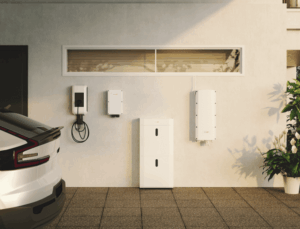 While most home batteries efficiently store and manage electricity, they don’t all provide backup power during an outage. Many grid-tied systems shut down automatically when the power goes out to protect utility workers from dangerous backfeed. To reliably supply electricity when the grid fails, your battery system needs to include a hybrid or backup inverter that can safely disconnect your home from the grid and switch to battery power, either automatically or manually. Without this “islanding” capability, even a fully charged battery won’t function during a blackout. If backup power is a priority for you, make sure the system you choose explicitly supports it, and confirm with your installer that it will be configured for emergency use.
Seamless Power When You Need It Most
A well-configured battery backup system switches on automatically the moment a power outage is detected. The inverter quickly isolates your home from the grid and begins supplying electricity from the battery, usually within milliseconds. This rapid transfer means most lights and appliances won’t flicker or turn off. The battery powers a dedicated backup load panel that is designed to keep only your most critical devices running, such as lighting, the refrigerator, Wi-Fi router, and phone chargers. The intent is not to power your entire home indefinitely, but to keep essential systems active until utility power returns or the battery can be recharged.
If you have solar panels installed and your system supports it, you can even continue generating solar power during an outage. In this case, solar energy helps recharge your battery throughout the day, extending your backup duration and reducing the risk of running out of power during extended blackouts.
What Home Batteries Can Handle
The amount of power your battery can provide during an outage depends on its storage capacity and the rate at which it can deliver power continuously. Most residential batteries in the US fall within a range of five to fifteen kilowatt-hours of storage and can supply between two and five kilowatts of continuous power. This capacity is generally enough to run essential low- to medium-power devices, including lights, Wi-Fi routers, refrigerators, laptops, TVs, phone chargers, and heating system controls.
However, heavy-load appliances such as electric ovens, induction cooktops, electric water heaters, central air conditioners, and washing machines typically require more power than a single home battery can safely provide. Unless your setup includes a large battery bank or multiple units working together, it’s wise to avoid operating these during an outage. Most homeowners find it effective to prioritize critical appliances and avoid powering everything simultaneously during outages. Working with a qualified installer, you can have a dedicated backup load panel set up to automatically manage which devices receive power, maximizing your battery’s runtime.
Choosing the Right Backup Battery System
When selecting a home battery system for outage protection, look for models that are explicitly designed to provide backup power and comply with safety standards like the National Electrical Code (NEC). These systems usually include hybrid or backup inverters capable of safely disconnecting your home from the grid. Battery size is another important factor; smaller batteries between five and seven kilowatt-hours may provide a few hours of backup for essential devices, while larger systems over ten kilowatt-hours offer longer runtime and the ability to power more appliances.
Compatibility with your solar setup is also worth considering, especially if you want the battery to recharge from your panels during outages. Not all systems support this, so it’s essential to verify before purchasing. Additionally, systems that feature automatic transfer switches provide seamless switching when the power goes out, preventing interruptions to your internet or lighting.
Finally, professional installation is crucial to ensure your battery and backup load panel are configured properly and meet all local codes and utility requirements. Don’t forget to investigate federal and state incentives, like the Investment Tax Credit (ITC), which can significantly reduce the cost of installing battery storage paired with solar.
In many parts of the US, where power outages can last hours or even days, having a well-designed home battery backup system is more than a convenience — it’s a key part of making your home resilient and keeping your family safe and comfortable when the grid fails.